
Buy or Rent a Sewer Jetter? Compare Your Actual Workload
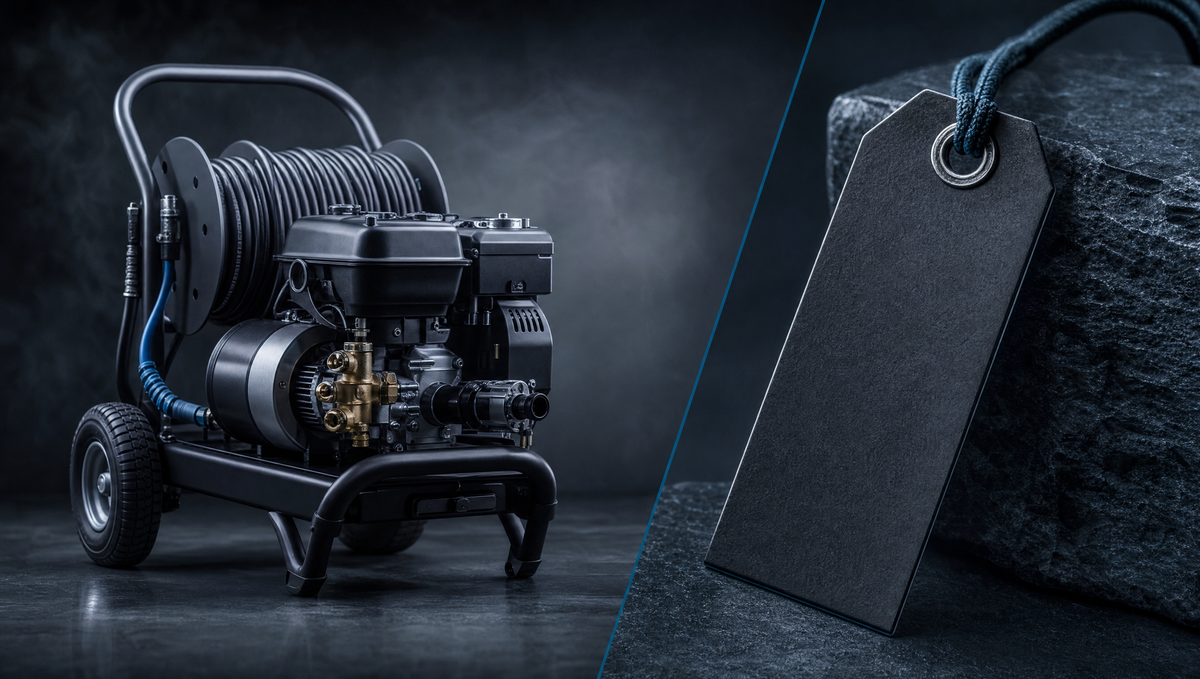
Buying, renting and subcontracting can each make sense. Compare options for the same work and operating capability, using current quotes and a realistic number of completed jobs.
Price the rental option completely
Include quoted rental days, transport, pickup and return labor, fuel, required accessories, training and the actual terms. Confirm availability and permitted nozzle configurations. Do not assume all rental equipment is worn or cannot be configured appropriately.
Price ownership completely
Include acquisition, installation, financing where relevant, storage, insurance, planned service, parts, operator training and downtime arrangements. Estimate resale value cautiously. Separate cash flow from accounting depreciation.
Use a comparable workload
Count work you can realistically book and complete. Buying equipment does not create demand by itself. A municipal specialty job may require a different machine or recovery capability than your ordinary residential work.
Compare at several utilization levels
For each scenario, estimate total ownership cost and the total cost of equivalent rentals or subcontracting. Divide only where costs are genuinely comparable. There is no universal ten-day or once-a-month threshold that makes buying the correct answer.
Include service and reliability
Consider availability, operator familiarity, support, backup arrangements and the impact of a breakdown. Inspect any used unit and confirm its condition and coverage. A nozzle upgrade may fill a capability gap, but it does not turn every machine into a larger jetter.
Use the cost calculator for the nozzle comparison and request actual equipment quotes for the broader investment. JPS offers plumber nozzle kits and demo/used KEG equipment; check each listing’s contents and condition.
Put this guide to work on your truck
Choose the connection and job that match your equipment. Get help with the exact configuration before ordering.