
How to Bid on Municipal Sewer Cleaning Contracts
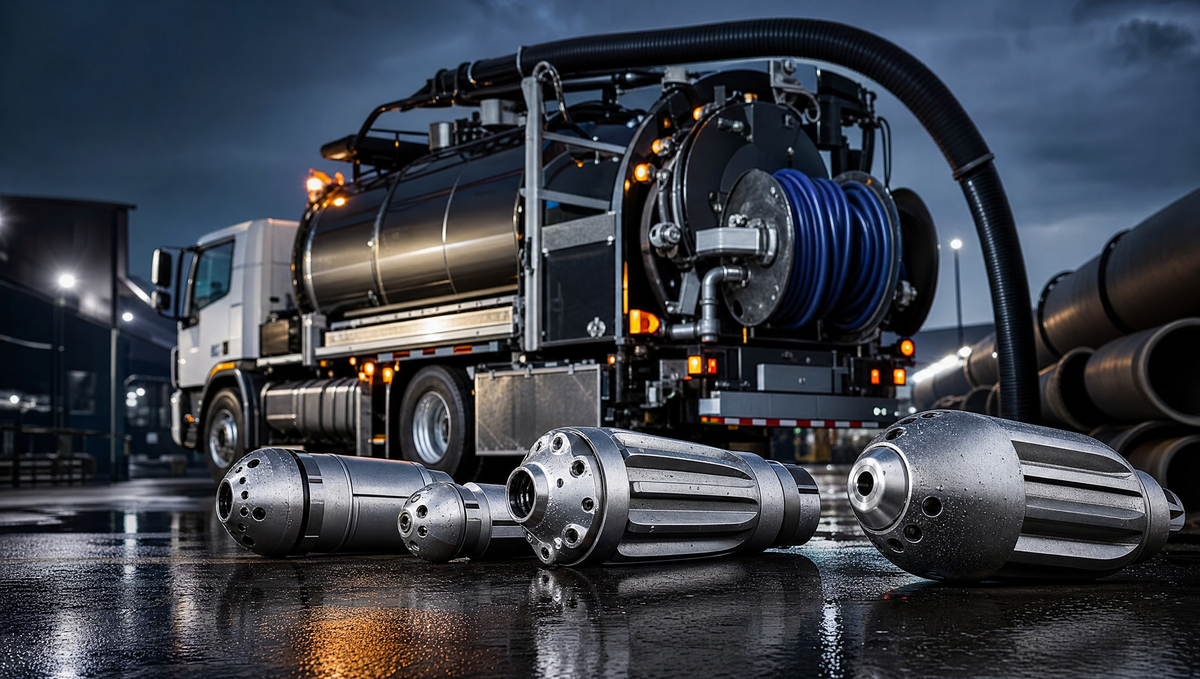
Municipal sewer cleaning contracts represent serious, steady revenue. Cities and counties need their sewer infrastructure maintained, and they hire private contractors to do it. These contracts can be worth tens of thousands to hundreds of thousands of dollars annually. Here is how to compete for and win them.
Understanding Municipal Work
Municipal sewer cleaning typically involves:
- Preventive maintenance jetting: Scheduled cleaning of sewer mains, usually on a rotating basis covering the entire system over multiple years.
- Emergency response: Clearing blockages and addressing backups in the municipal sewer system.
- CCTV inspection: Camera inspection and documentation of pipe condition for asset management.
- Root treatment: Chemical or mechanical root removal in affected sections.
The work is straightforward if you have the right equipment and capacity. The challenge is winning the bid.
Requirements for Municipal Contracts
Equipment
Municipal work typically requires larger equipment than residential jobs:
- Combination sewer cleaning trucks (jetter + vacuum) for larger contracts
- High-GPM jetters (12-18+ GPM) for large-diameter mains
- CCTV inspection equipment with reporting capability
- GPS tracking (often required for documentation)
Smaller municipalities may accept mid-range equipment for their contracts, especially for lateral cleaning or smaller mains. This is your entry point if you do not have a full combination truck yet.
Licensing and Certification
- State contractor license (often specific to underground utilities or sewer work)
- NASSCO PACP certification for CCTV operators (Pipeline Assessment Certification Program)
- OSHA safety certifications (confined space, trench safety)
- CDL for larger truck operations
Insurance and Bonding
Municipal contracts require significantly higher insurance than residential work:
- General liability: $1-2 million minimum
- Auto liability: $1 million minimum
- Workers compensation: As required by state
- Performance bond: Typically 100% of contract value
- Payment bond: Required for public works in most states
Finding Municipal Bid Opportunities
- Government bid portals: Your state procurement website, SAM.gov for federal work, and regional bid aggregation sites.
- Direct contact: Smaller municipalities may not post bids online. Call the public works department and ask to be added to their bidder list.
- Bid notification services: Services like BidNet, GovWin, and Dodge Construction Network alert you to relevant bid opportunities.
- Local government meetings: Attend city council or public works committee meetings. Budget discussions reveal upcoming projects before bids are posted.
Writing a Winning Bid
Read the RFP Carefully
Municipal bids have strict requirements. Missing a single required document or not following the exact format specified can get your bid rejected without review. Read the entire Request for Proposal, note every requirement, and create a checklist.
Pricing Strategy
Municipal bids are often (but not always) awarded to the lowest qualified bidder. Price competitively but do not underbid. An unprofitable contract is worse than no contract. Factor in:
- Labor costs including overtime and travel
- Equipment operating costs (fuel, maintenance, depreciation)
- Insurance premiums for the required coverage
- Bond premiums
- Mobilization and demobilization costs
- Administrative costs (reporting, documentation, compliance)
- Your profit margin (15-20% minimum)
Demonstrate Capability
Include:
- Equipment list with specifications
- Operator certifications and experience
- References from previous municipal or commercial work
- Safety record and safety program documentation
- Sample reports and CCTV documentation
Starting Small
If you are new to municipal work, start with smaller contracts:
- Small towns and rural municipalities: Less competition, lower equipment requirements, and more flexibility.
- Subcontracting: Work as a subcontractor for a larger company that holds the prime contract. You gain experience and references.
- Emergency call lists: Many municipalities maintain lists of contractors they call for emergency work. Getting on this list requires no bidding—just contact public works and demonstrate your capability.
- Lateral cleaning: Some contracts cover only service laterals (the pipe from the main to individual properties). These are smaller-diameter pipes that your residential equipment handles well.
Equipment Investment
Municipal work demands reliable equipment. Breakdowns on a municipal contract mean missed deadlines and potential penalties. Invest in quality at every level—from the jetter itself down to the nozzles and inserts you use. Replaceable ceramic inserts that maintain consistent performance over long operating hours are essential for the sustained daily use that municipal contracts require.
Shop nozzles at jetterprosupply.com or call (866) 595-0515.
For 3/4", 1" and 1-1/4" mainline work, see our Contractor & Municipal nozzle collection — large-diameter Victory Line nozzles built for heavy debris and municipal lines.
Put it into practice: Contractor & Municipal 3/4"+ — Municipal work runs on bigger 3/4"+ gear, and this line is built for it. See Municipal Purchasing for purchasing and net terms. Questions? Call (864) 804-6637.
Need the right nozzle for the job?
Talk to someone who runs this gear, or shop our full lineup of pro-grade jetting nozzles.