
How to Handle Callbacks on Drain Cleaning Jobs (And Prevent Them)
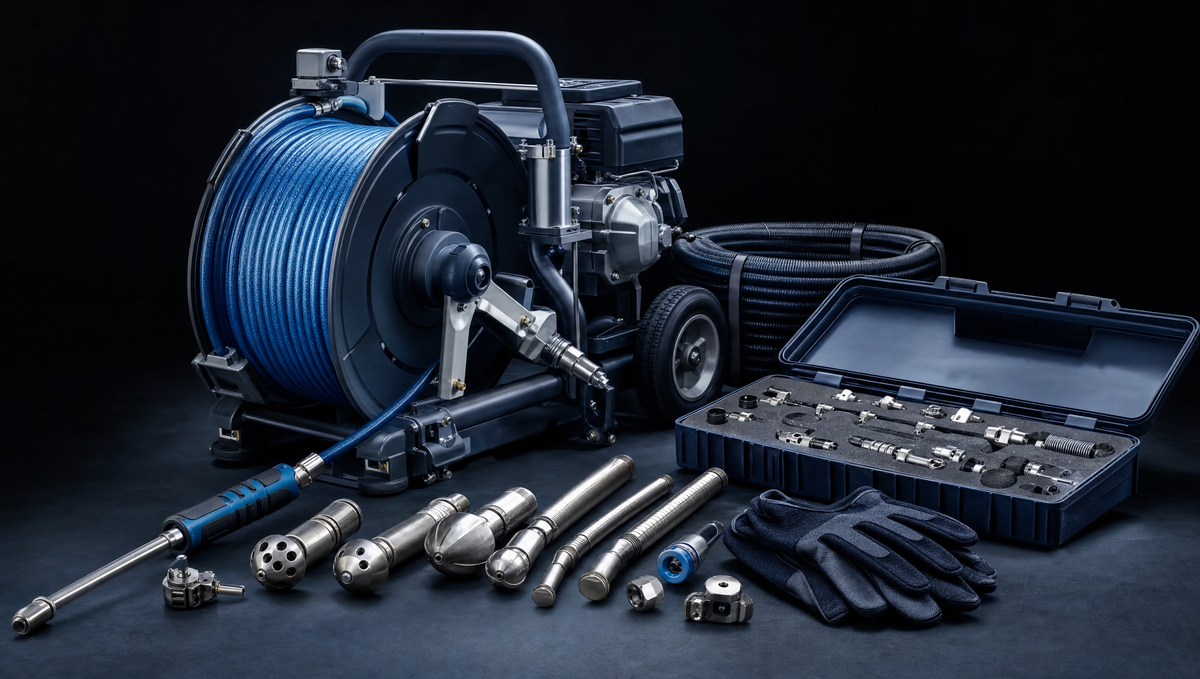
A callback costs you more than you made on the original job. By the time you factor in drive time, fuel, lost opportunity for a new paying call, and the hit to your reputation, every callback is a net loss. Here is how to prevent them and handle the ones that happen.
Why Callbacks Happen
Understanding the root causes is the first step to eliminating them:
1. The Line Was Not Actually Clean
This is the most common cause. You cleared the blockage and water flowed, so you packed up. But clearing a blockage is not the same as cleaning the pipe. The walls still had buildup that re-accumulated quickly and caused another blockage in weeks.
2. Wrong Diagnosis
You treated the symptom, not the cause. The customer called about a slow drain, you jetted the kitchen line, but the actual problem was a belly in the main that is collecting grease. Without camera inspection, you missed the real issue.
3. Underlying Pipe Damage
A cracked pipe, offset joint, or bellied section creates a spot where debris collects regardless of how well you clean. If you do not identify structural issues, the line will block again.
4. Customer Behavior
Sometimes the customer causes the re-clog. Dumping grease, flushing wipes, or tree roots growing back are external factors. But even these can be mitigated with proper education and maintenance plans.
Preventing Callbacks: The Process
Pre-Inspect Every Job
Running a camera before jetting shows you what you are dealing with and catches structural issues that will cause callbacks. Yes, it adds 10-15 minutes to the job. It saves hours on callbacks.
Clean the Pipe, Not Just the Blockage
After you break through the blockage, keep jetting. Run your flushing nozzle the full length of the affected section. Pull it back slowly with water running to scrub the walls clean. The goal is a clean pipe, not just a flowing pipe.
Post-Inspect and Document
Camera the line after cleaning. Show the customer the results. Record the footage. This accomplishes three things: confirms the pipe is clean, creates documentation if the customer claims otherwise, and demonstrates your thoroughness.
Use the Right Nozzle
A penetrating nozzle clears blockages but does not clean walls. A flushing nozzle cleans but may not break through tough clogs. Using the wrong nozzle means incomplete work that leads to callbacks. For grease lines, use a wide-angle grease nozzle that strips the walls. For root intrusion, follow penetration with a root cutter.
Educate the Customer
Before you leave, explain:
- What caused the blockage
- What they can do to prevent it (no grease down drains, no wipes flushed, etc.)
- When the line should be cleaned again (maintenance schedule)
- Warning signs to watch for
A customer who understands the problem is less likely to create it again and more likely to sign up for preventive maintenance.
Handling Callbacks When They Happen
Despite your best efforts, some callbacks will occur. Handle them professionally:
Respond Quickly
A callback customer is already frustrated. Making them wait makes it worse. Prioritize callbacks and get there fast.
Do Not Get Defensive
Even if the customer caused the problem (dumping grease the day after you cleaned), arguing does not help. Diagnose, explain, and fix. Your professionalism in handling a callback often determines whether you keep the customer.
Camera First
Always camera the line on a callback. Compare to your post-cleaning footage from the original job. This tells you whether the pipe re-cogged, whether there is a structural issue you missed, or whether a new problem caused the backup.
Set Expectations for the Future
If the callback reveals an ongoing issue (roots, belly, grease-heavy usage), be honest about it. "Your line is clean now, but the tree roots will grow back in about 6 months. I recommend we schedule a preventive jetting before that happens." This turns a callback into a maintenance contract.
Tracking and Improving
Track every callback:
- Customer address and line location
- Original job details and nozzle used
- Callback cause
- Resolution
Patterns will emerge. If you see repeated callbacks on a certain type of job, it tells you to adjust your process. Maybe you need a more aggressive nozzle for grease work. Maybe you need to spend more time on post-cleaning passes. Data drives improvement.
The Callback Rate Benchmark
A well-run drain cleaning operation should see callback rates under 5%. If you are above 10%, your process needs work. If you are under 3%, you are doing excellent work and your customers are noticing—expect referrals.
Shop nozzles at jetterprosupply.com or call (866) 595-0515.
Put it into practice: All Nozzles — Using a nozzle matched to each line is a simple step toward finishing the job right the first time. Questions? Call (864) 804-6637.
Need the right nozzle for the job?
Talk to someone who runs this gear, or shop our full lineup of pro-grade jetting nozzles.